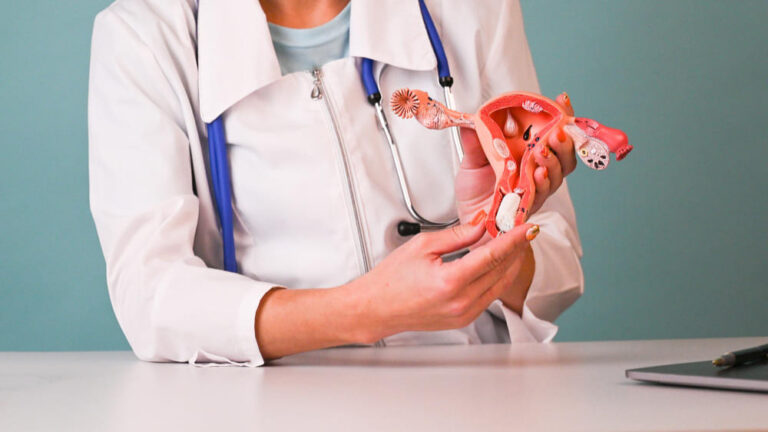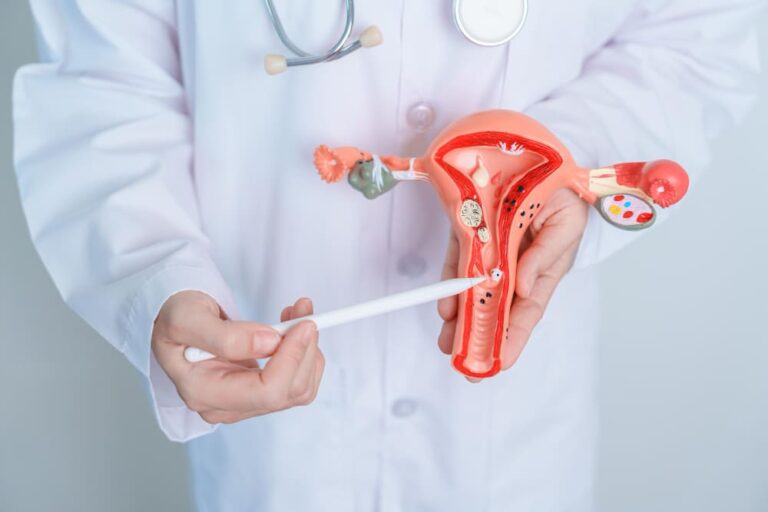
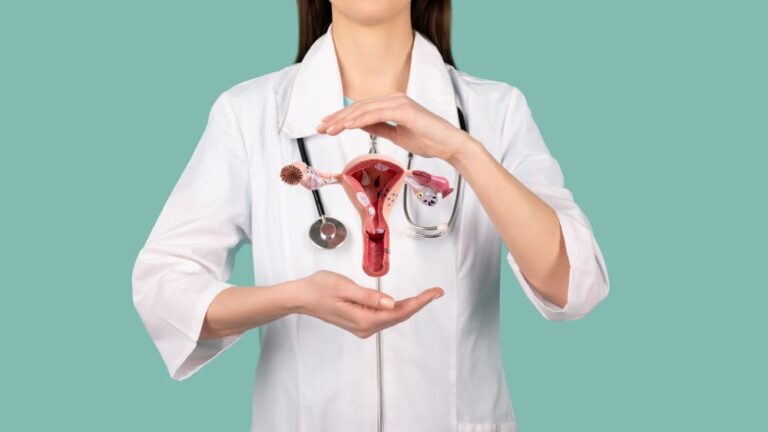
Explore practical strategies on “how adenomyosis can be cured without surgery“, presented by Dr. Samir Abdel Ghaffar. Our comprehensive guide delves into innovative, non-surgical interventional radiology techniques, offering hope and alternative treatments for those suffering from adenomyosis.
Table of Contents
How I cured my adenomyosis without surgery?
Are you struggling with adenomyosis and looking for an alternative to major surgery like a hysterectomy? 🌿 You’re not alone, and the good news is, a less invasive option could be the answer you’re seeking. Let’s dive into how uterine catheterization, specifically Uterine Artery Embolization (UAE), offers a promising solution for managing and potentially curing adenomyosis without the need for surgical removal of your uterus.
Understanding Adenomyosis
Adenomyosis occurs when the endometrial tissue, which usually lines the uterus, begins to grow into the muscular wall of the uterus. This can cause severe pelvic pain, heavy menstrual flow, and cramping. Traditionally, treatment options included hormonal therapy to manage symptoms or a total hysterectomy to remove the source of pain definitively. However, for women who want to avoid surgery or preserve their fertility, these options are far from ideal.
The Rise of Minimally Invasive Treatments
Enter Uterine Artery Embolization (UAE) is a minimally invasive procedure that has been used successfully to treat fibroids and is now being adapted for adenomyosis. This treatment involves the targeted delivery of tiny particles that block the blood flow to the problematic tissue, effectively reducing symptoms and promoting tissue shrinkage.
How UAE Works
The procedure is conducted by interventional radiologists 🔬 using imaging guidance. A small catheter is inserted into the artery through a tiny incision in the groin. The catheter is threaded to the uterine arteries that supply blood to the adenomyosis-affected areas. Small particles are then released to block these arteries, which helps reduce blood flow, reducing adenomyosis symptoms.
Benefits of Uterine Artery Embolization
- Less Invasive: Unlike a hysterectomy, UAE does not involve major surgery. You can typically go home the same day or the next.
- Symptom Relief: Many women report significant reductions in menstrual pain and bleeding, helping improve quality of life.
- Fertility Preservation: For women who wish to maintain fertility, UAE offers a possible option without removing the uterus.
- Quick Recovery: Recovery from UAE is generally faster than traditional surgery, with most women returning to normal activities within a week.
Lifestyle Management
Alongside UAE, managing adenomyosis often involves a holistic approach:
- Diet: Incorporating anti-inflammatory foods like nuts, seeds, and leafy vegetables can help manage symptoms.
- Exercise: Regular, moderate exercise can reduce symptoms by improving blood flow and reducing stress.
- Stress Management: Techniques like yoga, meditation, or acupuncture can be effective in managing pelvic pain associated with adenomyosis.
What to Expect
While UAE is a highly effective treatment, it’s not a one-size-fits-all solution. The process is best managed with a specialist like Dr Samir Abdel Ghaffar, who can provide a diagnosis using ultrasound or MRI and discuss whether UAE is the right option for you.
A Personalized Approach
Each woman’s experience with adenomyosis is unique, as is her treatment. Whether you’re dealing with severe symptoms that interfere with your daily life or seeking a definitive solution that avoids major surgery, a consultation with a specialist in interventional radiology can provide clarity and options.
If you’re tired of dealing with the pain and disruption of adenomyosis and looking for a less invasive yet effective treatment, consider discussing UAE with your doctor. It might just be the relief you’ve been hoping for. 🔍🌺
Remember, managing your health is about making informed choices that align with your health goals and lifestyle. With the proper treatment and management plan, you can tackle adenomyosis head-on and regain control of your life!
treatment for adenomyosis
If Uterine Artery Embolization (UAE) doesn’t quite fit your needs, don’t worry. There are numerous other treatments available for managing adenomyosis that can help alleviate symptoms and improve your quality of life. Let’s explore some of these alternatives:
Hormonal Treatments
Hormonal therapies can be incredibly effective in managing adenomyosis symptoms by regulating menstrual cycles and reducing bleeding and pain. Options include:
- Oral Contraceptives: These can help control menstrual bleeding and reduce pain.
- GnRH Agonists: Drugs like Lupron can temporarily mimic menopause, reducing hormone levels and symptoms.
- IUD with Progestin (e.g., Mirena): Helps reduce pain and heavy menstrual bleeding.
Conservative Surgery
For those who require a surgical option but wish to preserve their uterus, conservative surgeries like adenomyomectomy may be suitable. This procedure focuses on removing only the adenomyotic tissue while preserving the uterus, making it a viable option for women considering future pregnancies.
Pain Management
Managing the pain associated with adenomyosis is crucial. Options include:
- Anti-inflammatory Medications: NSAIDs like ibuprofen can reduce inflammation and pain during menstrual periods.
- Heat Therapy: Applying a hot bottle or heating pad to the lower abdomen can help relax cramping muscles and alleviate pain.
Alternative and Complementary Therapies
Many women find relief in alternative therapies, which can be used in conjunction with medical treatments:
- Acupuncture: This traditional Chinese medicine technique has been found to help reduce pelvic pain and improve blood flow.
- Herbal Remedies: Certain herbs, like chasteberry and ginger, have properties that may help manage symptoms.
- Castor Oil Packs: Applied externally to the abdomen, these can help reduce inflammation and improve circulation.
Lifestyle Adjustments
Modifying your lifestyle can also play a significant role in managing adenomyosis:
- Dietary Changes: Eating a diet rich in vegetables and omega-3 fatty acids while avoiding inflammatory foods can help manage symptoms.
- Regular Exercise: Helps maintain a healthy weight, reduce estrogen levels, and improve overall well-being.
- Stress Reduction: Techniques such as yoga and meditation can help manage the stress that may exacerbate symptoms.
Advanced Non-surgical Options
For those seeking less invasive but effective alternatives to surgery, treatments like:
- Endometrial Ablation: Although typically used for other conditions, it can reduce menstrual bleeding significantly, but is less suitable for women with deep adenomyosis.
- Magnetic Resonance-guided Focused Ultrasound Surgery (MRgFUS): This non-invasive, outpatient procedure uses high-frequency ultrasound waves to heat and destroy adenomyosis tissue.
Understanding Your Options
Each treatment has potential benefits and limitations, and what works for one person may not. It’s essential to have a thorough discussion with your healthcare provider about your symptoms, treatment goals, and whether you plan to have children in the future, as this can influence the choice of treatment.
Whether you opt for a medical, surgical, or holistic approach, remember you have options and support. Managing adenomyosis is a journey; finding the proper treatment can bring significant relief and improve the quality of life.
Adenomyosis cancer symptoms
Adenomyosis is not a form of cancer but a benign condition affecting the uterus. However, it can cause symptoms that significantly impact the quality of life. Here are common symptoms associated with adenomyosis:
- Prolonged Menstrual Periods: Longer than regular periods are a typical symptom.
- Chronic Pelvic Pressure and Bloating: Feelings of heaviness or pressure in the pelvic area.
- Pelvic Pain: This can occur during menstruation and other times during the menstrual cycle.
- Pain During Intercourse: Known as dyspareunia, this symptom can occur deep within the pelvis.
- Heavy Menstrual Bleeding: One of the most common symptoms, sometimes leading to anemia.
- Severe Menstrual Cramps: Pain during menstruation can be more intense and last longer than typical menstrual pain.
- Urinary Symptoms: The enlarged uterus pressing on the bladder may cause an increased frequency of urination or a sensation of pressure.
These symptoms can mimic those of other conditions, including fibroids and even some types of cancer, which is why it’s essential to consult with a healthcare provider for a proper diagnosis and appropriate treatment plan.
Frequently Asked Questions
How to reverse adenomyosis naturally?
Adenomyosis occurs when endometrial tissue grows deep into the uterine muscle wall. Science dictates it cannot be completely reversed naturally. Lifestyle strategies manage inflammation and hormone levels to treat symptoms, but definitive reversal involves medical or surgical intervention.
How can I shrink my uterus from adenomyosis?
Natural methods do not shrink the uterus. You must explore medical treatments. A minimally invasive step is uae, a procedure in interventional radiology that blocks the artery supplying blood, causing tissue to shrink.
Does castor oil pack help with adenomyosis?
Castor oil packs are an alternative considered by some women to relieve pelvic pain and heavy bleeding. They do not remove the tissue or cure the condition.
Is turmeric good for adenomyosis?
Turmeric targets inflammation. It may reduce pain but is not a cure.
What vitamins treat adenomyosis?
No vitamins treat the root cause. Supplements are alternative treatments to manage symptoms.
What foods to avoid adenomyosis?
Avoid foods that increase estrogen and inflammation. These include red meat, refined sugars, and highly processed foods.
What is the permanent solution for adenomyosis?
Hysterectomy is the definitive cure. This surgery will permanently remove the uterus.
Can adenomyosis stop growing?
Yes. The condition is estrogen-dependent. Tissue stops growing post-menopause when hormone production drops.
What exercises are good for adenomyosis?
Low-impact exercises like yoga and walking. High-intensity workouts exacerbate pelvic pressure.
What herb is good for adenomyosis?
Herbs like ginger are used to manage pain. They do not cure the condition.
Has anyone cured adenomyosis?
Neither adenomyosis nor endometriosis is cured by diet or herbs. It is cured only by hysterectomy. Patients treated with uae by a specialized dr achieve a high quality of life. This provides hope for the future, preserving options for those who refuse surgery. Use this guide to learn how doctors diagnose the condition and select treatment for fibroids and adenomyosis.
If you are experiencing the challenging symptoms of adenomyosis and looking for a definitive solution that preserves your uterus, consider scheduling a consultation with Dr Abdel Ghaffar. His expertise in minimally invasive treatments offers a compassionate and professional approach to managing your condition. Don’t let adenomyosis control your life. Contact Dr Samir Abdel Ghaffar today to explore your treatment options and take the first step towards reclaiming your health and well-being. Contact us now to book your appointment and start your journey towards recovery.