Struggling with bloating, painful cramps, and constipation — and not sure why? These digestive symptoms are often dismissed as IBS or stress. But your gut and your womb are more connected than most people realise. Keep reading to learn everything about can adenomyosis cause constipation, and what you can do to find real relief.

Table of Contents
Can Adenomyosis Cause Constipation? The Direct Connection
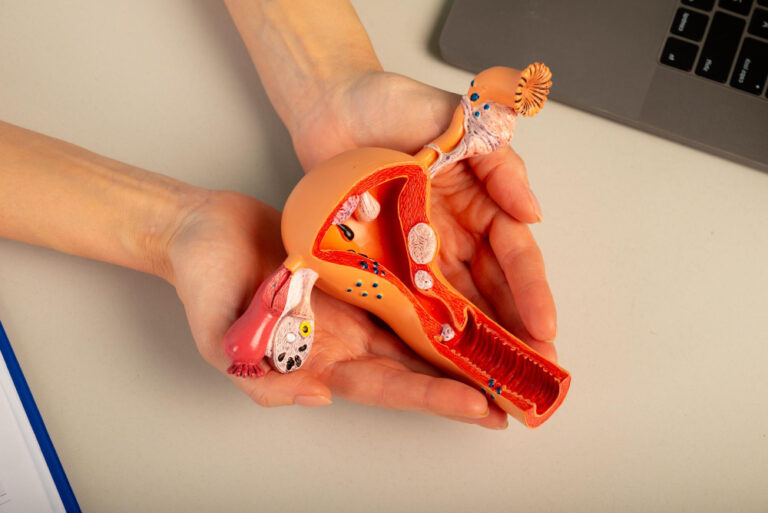
Yes, adenomyosis frequently causes constipation. When endometrial tissue grows into the muscular uterine wall, it creates an enlarged, bulky womb that physically presses on the intestines and rectum.
Picture your pelvis as limited space where organs coexist closely. When adenomyosis makes your uterus swell—sometimes doubling in size—it encroaches on neighboring organs. The intestines get squeezed, reducing their ability to move waste efficiently through your digestive system.
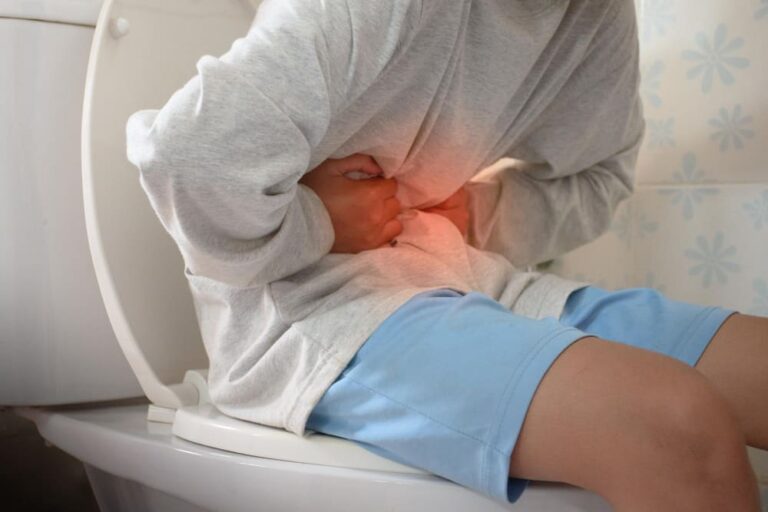
This isn’t mild pressure. Many women experience significant mechanical obstruction leading to chronic constipation, severe bloating, and abdominal discomfort mimicking irritable bowel syndrome. The inflammation accompanying adenomyosis further disrupts digestive function by affecting how intestines process food and coordinate bowel movements.
The exact cause of adenomyosis remains somewhat mysterious. Researchers believe hormonal factors, previous uterine procedures, and childbirth may contribute. The condition disproportionately affects women in their thirties and forties, though it can occur at any age.
Constipation severity often correlates with how enlarged the uterus becomes. Women with diffuse adenomyosis affecting large portions of the uterine wall experience more pronounced bowel symptoms. Location matters too—adenomyosis on the posterior wall presses directly on the rectum and lower intestines.
How Adenomyosis Affects Bowel Function
The relationship between adenomyosis and digestive problems operates through multiple mechanisms beyond simple pressure.
Physical Pressure Creates Obstruction
As adenomyosis causes the uterine muscle to thicken and expand, it pushes against the sigmoid colon and rectum. This creates a physical barrier slowing stool transit, leading to constipation. Many women describe constantly needing to move their bowels but can’t, or experiencing incomplete evacuation.
The pressure intensifies during menstruation. The adenomyosis tissue swells in response to hormones, meaning bowel symptoms worsen during your period when the uterus reaches its largest, most inflamed state.
Inflammation Releases Disruptive Chemicals
Adenomyosis creates pockets of chronic inflammation throughout the uterine wall. The immune system releases inflammatory chemicals—cytokines, prostaglandins—that circulate through the pelvic area and directly affect intestinal function.
Prostaglandins influence gut motility. High levels can either speed up or slow down intestinal contractions, contributing to irregular bowel movements. The inflammatory environment also increases intestinal sensitivity, making you prone to bloating, nausea, and abdominal discomfort.
Nerve Pathways Get Disrupted
Nerves serving reproductive and digestive organs share common pelvic pathways. When adenomyosis causes inflammation in the uterus, it affects these shared nerve networks. Some women develop visceral hypersensitivity—increased awareness of digestive processes that makes normal bowel function feel painful.
Hormonal Fluctuations Amplify Effects
Estrogen and progesterone affect gut motility and water absorption. Women with adenomyosis experience exaggerated responses to hormonal shifts. During the luteal phase, rising progesterone naturally slows digestion. Combined with an enlarged uterus pressing on bowels, this hormonal effect becomes pronounced. Constipation typically peaks before and during periods.
Adenomyosis Similar Symptoms: Recognizing the Overlap
The overlap with other conditions creates diagnostic confusion that delays proper treatment for years.
The Irritable Bowel Syndrome Connection
IBS and adenomyosis share remarkable similarities: bloating, abdominal pain, irregular movements alternating between constipation and diarrhea, and nausea. The key distinction is timing.
If digestive symptoms follow a menstrual pattern—worsening before and during your period, then improving—adenomyosis is more likely than IBS. Pure IBS responds more to dietary triggers and stress rather than showing clear cyclical patterns.
Endometriosis and Adenomyosis Similar Presentations
These sister conditions frequently coexist and produce overlapping symptoms. Endometriosis growths outside the uterus can attach to bowels, causing severe pain during movements and bleeding from the rectum during periods.
Adenomyosis symptoms involve pressure and displacement. However, when both conditions coexist—happening in 20-30% of cases—women experience pressure from an enlarged uterus plus direct bowel involvement from endometriosis lesions.
Both cause severe pelvic pain, heavy painful periods, bowel movement discomfort during menstruation, chronic bloating, urinary symptoms, and pain during intercourse.
Uterine Fibroids: Frequent Companions
Fibroids—benign tumors in the uterus—share symptoms with adenomyosis and commonly occur together. Both cause uterine enlargement, leading to pelvic pressure, heavy bleeding, and compression of the bladder and bowels.
Large fibroids can make women appear pregnant. These growths press on intestines like an adenomyosis-enlarged uterus, causing similar constipation and bloating. The good news? Both respond well to uterine artery embolization.
Common Health Problems That Contribute to Symptoms
Several conditions frequently accompany adenomyosis, complicating diagnosis and management.
Hormonal Imbalances
PCOS, thyroid disorders, and insulin resistance often accompany adenomyosis. These independently affect digestion. Hypothyroidism commonly causes constipation by slowing metabolism. PCOS-related insulin resistance leads to bloating and irregular movements.
Adhesions from Surgery
Pelvic or abdominal surgery—cesarean sections, appendectomies—can create adhesions binding organs together. These restrict normal organ movement and cause chronic pain, bowel obstruction, and digestive dysfunction.
Women with adenomyosis who’ve had surgeries might experience worsened symptoms as adhesions combine with uterine enlargement to create additional pressure.
The Gut-Brain Connection
Chronic pain conditions like adenomyosis coexist with anxiety and depression. Emotional stress directly impacts digestive function through the gut-brain axis. Stress hormones affect motility, increase inflammation, and alter beneficial bacteria balance.
Recognizing Adenomyosis Symptoms Beyond Digestive Issues
While constipation matters, adenomyosis manifests through numerous symptoms affecting overall wellbeing.
Heavy Menstrual Bleeding
Menorrhagia represents one of the most troublesome symptoms. Women describe periods “like a crime scene,” requiring super-absorbent products changed hourly. Large blood clots are typical. Period duration extends beyond normal, sometimes lasting two weeks.
Between periods, unpredictable spotting disrupts daily life, affecting everything from clothing choices to travel plans.
Characteristic Pain Patterns
Pelvic pain differs from normal cramps in intensity and duration. Many describe deep, constant aching rather than wave-like cramping. Pain often starts before bleeding and may persist throughout periods and between cycles.
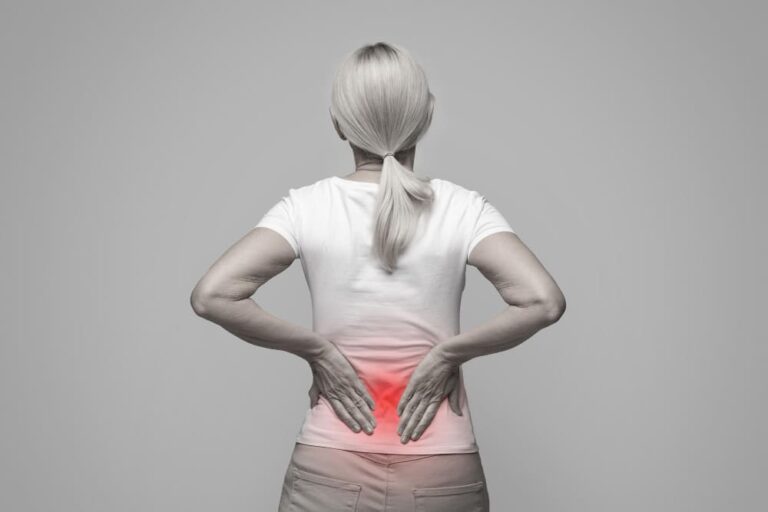
Sharp, stabbing pains may radiate to the lower back or thighs. Pain worsens with activity, prolonged sitting, or during bowel movements as the enlarged uterus presses on structures.
Beyond the Pelvis
Severe bloating makes abdomens visibly distended. Nausea accompanies pain and bleeding, sometimes causing vomiting. The enlarged uterus pushes on the bladder, creating frequent urination, sudden urges, and incomplete emptying sensations.
Chronic blood loss leads to anemia—profound exhaustion making simple tasks overwhelming. Fatigue, weakness, dizziness, and difficulty concentrating stem from insufficient iron and red blood cells.
Non-Surgical Treatment: Uterine Artery Embolization
Facing adenomyosis doesn’t mean accepting symptoms or inevitably undergoing hysterectomy. Uterine artery embolization offers effective treatment while preserving your uterus.
How UAE Works
This minimally invasive procedure targets blood vessels feeding adenomyosis tissue. Performed by interventional radiologists like Dr. Samir Abdel Ghaffar, UAE doesn’t require surgical incisions or general anesthesia.
The interventional radiologist accesses your arterial system through a tiny puncture in your wrist or groin. Using real-time imaging, a thin catheter threads through vessels to reach uterine arteries. Tiny particles block blood flow to adenomyosis tissue.
Without adequate blood supply, abnormal tissue shrinks over weeks and months. This reduction relieves pressure on bowels, often improving constipation. Heavy bleeding decreases as the thickened lining receives less blood flow.
UAE Benefits Include:
- Outpatient procedure—go home the same day
- No surgical incisions or general anesthesia
- Uterus preservation for women wanting to maintain anatomy
- Addresses both adenomyosis and fibroids simultaneously
- Faster recovery—most return to normal activities within one to two weeks
- Lower complication rates than surgery
- Effective reduction in bleeding, pain, and pressure symptoms
Studies show 80-90% of women experience significant symptom improvement following UAE. The enlarged uterus shrinks, reducing pressure on bladder and bowels. Heavy bleeding decreases substantially, allowing anemia to resolve.
Additional Treatment Options
Hormonal treatments help control symptoms by regulating cycles and reducing estrogen stimulation. Birth control pills taken continuously prevent periods. Hormonal IUDs release progestin directly into the uterus, thinning the lining.
Anti-inflammatory medications like ibuprofen reduce pain and bleeding by lowering prostaglandin levels. Heat therapy through heating pads or warm baths provides relief by relaxing muscles.
Dietary changes may reduce inflammation. Anti-inflammatory diets rich in fruits, vegetables, and omega-3 fatty acids help. Reducing salt minimizes bloating. Regular exercise improves circulation and regulates bowel function.
Managing Constipation Specifically
Increase dietary fiber gradually—aim for 25-30 grams daily. Stay hydrated with water throughout the day. Establish bathroom routines by responding promptly to urges. Gentle movement stimulates intestinal contractions.
Stool softeners make movements easier without dependency risks. However, addressing underlying uterine enlargement provides long-term relief.
Frequently Asked Questions
Does adenomyosis affect your bowels?
Absolutely. Adenomyosis commonly causes bowel symptoms through direct pressure and indirect effects. The enlarged uterus pushes against your rectum and intestines, physically impeding function and causing constipation, bloating, and discomfort. Inflammation releases chemicals irritating intestines and disrupting motility. During menstruation, when tissue swells, bowel symptoms worsen significantly. Many notice digestive patterns follow menstrual cycles—constipation peaks during periods and improves afterward.
What does an adenomyosis flare up feel like?
Flares bring intense symptoms centered around periods. Pain is deep, constant pelvic aching combined with severe cramping that doesn’t respond to typical relievers. Your abdomen feels tender, with significant bloating making you look pregnant. The enlarged uterus creates heaviness throughout your pelvis. Heavy bleeding with large clots is common. Digestive symptoms intensify—constipation worsens, nausea becomes severe. Many experience increased urination, overwhelming fatigue from blood loss, and general malaise.
How to help adenomyosis constipation?
Address both the symptom and underlying cause. Increase water intake to eight glasses daily. Gradually add fiber through fruits, vegetables, and whole grains. Regular gentle exercise stimulates intestinal contractions. Establish consistent bathroom routines. Heat applied to your abdomen relaxes muscles. Stool softeners provide relief without dependency. Most importantly, treat underlying adenomyosis through uterine artery embolization. By shrinking the enlarged uterus, UAE reduces bowel pressure, often resolving constipation. Consulting specialists like Dr. Samir Abdel Ghaffar provide lasting relief.
What are severe adenomyosis symptoms?
Severe cases feature extremely heavy bleeding—soaking through super-absorbent products hourly. Women pass large clots and bleed for extended periods. Pelvic pain reaches debilitating levels interfering with work, sleep, and activities. Pain medications provide inadequate relief. Chronic anemia causes profound fatigue, dizziness, weakness, and difficulty concentrating. The enlarged uterus creates visible abdominal swelling. Severe pressure affects bladder and bowels—frequent urination and significant constipation stem from organ compression. Pain during intercourse may make relationships impossible. When adenomyosis reaches this severity, procedures like UAE offer effective treatment without major surgery.
Taking Control of Your Health
Understanding how adenomyosis contributes to constipation empowers you to seek comprehensive treatment addressing the root cause rather than individual symptoms.
If you’re experiencing constipation alongside heavy painful periods or severe pelvic discomfort, consulting a specialist is essential. Dr. Samir Abdel Ghaffar brings extensive expertise in interventional radiology to provide non-surgical solutions for women struggling with adenomyosis and fibroids.
Through uterine artery embolization, many women find relief from heavy bleeding, pain, and pressure symptoms contributing to digestive dysfunction. The procedure offers an effective alternative to hysterectomy, allowing uterus preservation while dramatically improving quality of life. As the enlarged uterus shrinks following UAE, pressure on intestines diminishes, often resolving constipation.
You don’t have to accept adenomyosis controlling your life. Whether your primary concerns involve heavy bleeding, debilitating pain, or digestive symptoms affecting daily comfort, specialized interventional treatment can help you reclaim your health.
Contact Dr. Samir Abdel Ghaffar to explore treatment options:
London, UK:
- Clinic Number: +44 20 8144 2266
- WhatsApp: +44 7377 790644
Cairo, Egypt:
- Booking Number: +20 1000 881336
- WhatsApp: +20 1000 881336
Schedule a consultation to learn how uterine artery embolization might provide the solution you’ve been seeking for adenomyosis symptoms, including constipation and digestive issues affecting your quality of life.