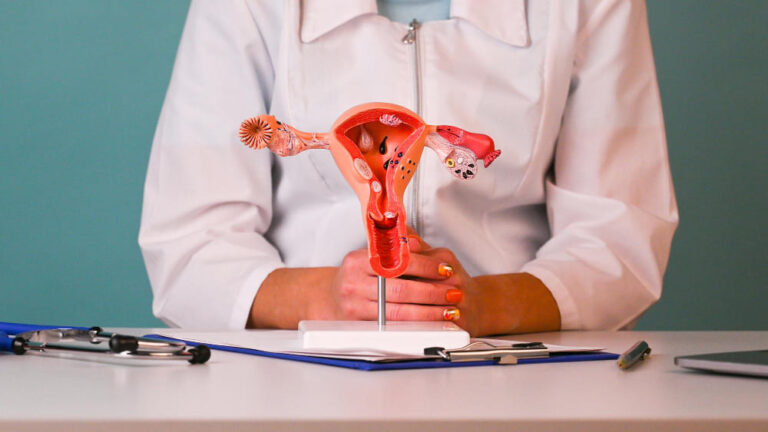
Living with painful, heavy periods that disrupt your daily life? You’re not alone in this struggle. Many women across the United Kingdom search desperately for effective solutions to treat adenomyosis in the UK, a condition that affects approximately one in ten women.
The constant pelvic pain, exhausting fatigue, and uncertainty about your reproductive health can feel overwhelming. But here’s the encouraging news: modern medicine offers a range of adenomyosis treatment options that can restore your quality of life without necessarily requiring major surgery.

Table of Contents
How Do You Treat Adenomyosis in the UK? Understanding Your Options
When diagnosed with adenomyosis, women across the United Kingdom face an important decision about their treatment path. The NHS and private healthcare providers offer several approaches, each suited to different circumstances and patient needs.
Medical Treatment for Adenomyosis
Medical treatment typically represents the first line of defense against adenomyosis symptoms. Hormonal therapies help manage the condition by regulating menstrual cycles and reducing bleeding. Birth control pills, progesterone-releasing intrauterine devices, and gonadotropin-releasing hormone (GnRH) analogues can significantly reduce pain and heavy periods for many patients.
Anti-inflammatory medications also play a crucial role in symptom management. These help control the pain that many women experience, particularly during menstruation. While medical treatment doesn’t cure adenomyosis, it provides relief and helps women maintain their daily activities.
Non-Surgical Interventional Options
Uterine artery embolization (UAE) has emerged as a groundbreaking alternative to traditional surgery. This minimally invasive procedure, performed by interventional radiology specialists like Dr. Samir Abdel Ghaffar, blocks blood flow to the adenomyotic tissue, causing it to shrink.
The procedure offers remarkable advantages: no surgical incisions, shorter recovery time (typically just a few days), and preservation of the uterus for women who wish to maintain fertility options. Patients treated with UAE often experience significant reduction in symptoms within three to six months.
Dr. Samir Abdel Ghaffar specializes in this non-surgical approach, helping women avoid the trauma and extended recovery associated with hysterectomy. His expertise in interventional radiology provides patients with access to cutting-edge treatment that wasn’t available to previous generations.
Surgical Treatments
For severe cases where other treatments haven’t provided relief, surgical options exist. Hysterectomy—complete removal of the uterus—remains the only definitive cure for adenomyosis. However, this option eliminates the possibility of future pregnancy and involves significant recovery time.
Adenomyomectomy, a procedure that removes adenomyotic tissue while preserving the uterus, offers another surgical choice. This option appeals to younger women who want to maintain fertility, though it carries a risk of adenomyosis recurring.
Understanding these alternatives helps patients make informed decisions about their care. The best treatment depends on symptom severity, age, desire for future pregnancy, and overall health.
Adenomyosis Symptoms: Recognizing the Condition
Identifying adenomyosis can be challenging because symptoms overlap with other gynecological conditions. However, certain patterns emerge in most diagnosed cases.
Heavy menstrual bleeding stands out as the most common symptom. Women with adenomyosis often experience periods so heavy they require changing sanitary products every hour or face bleeding through their clothing. This excessive bleeding can lead to anemia, causing fatigue, weakness, and difficulty concentrating.
Pelvic pain represents another hallmark symptom. This pain typically intensifies during menstruation but may persist throughout the month. Some women describe it as a deep, aching sensation in the lower abdomen, while others experience sharp, cramping pain.
The “adenomyosis belly” phenomenon occurs when the uterus becomes enlarged and tender. Women may notice their lower abdomen appears swollen or bloated, similar to early pregnancy. This enlargement happens because the muscle wall of the uterus thickens as endometrial tissue grows into it.
Pain during intercourse affects many women with adenomyosis, impacting intimate relationships and overall quality of life. This symptom often goes unreported due to embarrassment, yet discussing it with healthcare providers is essential for proper diagnosis and treatment.
Adenomyosis vs Endometriosis: Understanding the Difference
These two conditions are frequently confused because they share similar symptoms and both involve endometrial tissue. However, understanding their differences is crucial for proper diagnosis and treatment.
Endometriosis occurs when tissue similar to the uterine lining grows outside the uterus—on ovaries, fallopian tubes, or other pelvic organs. This tissue responds to hormonal changes during the menstrual cycle, causing inflammation and scarring.
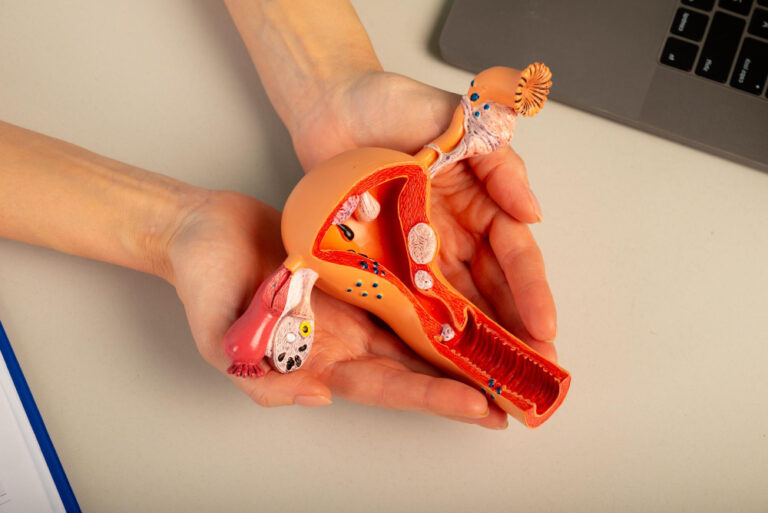
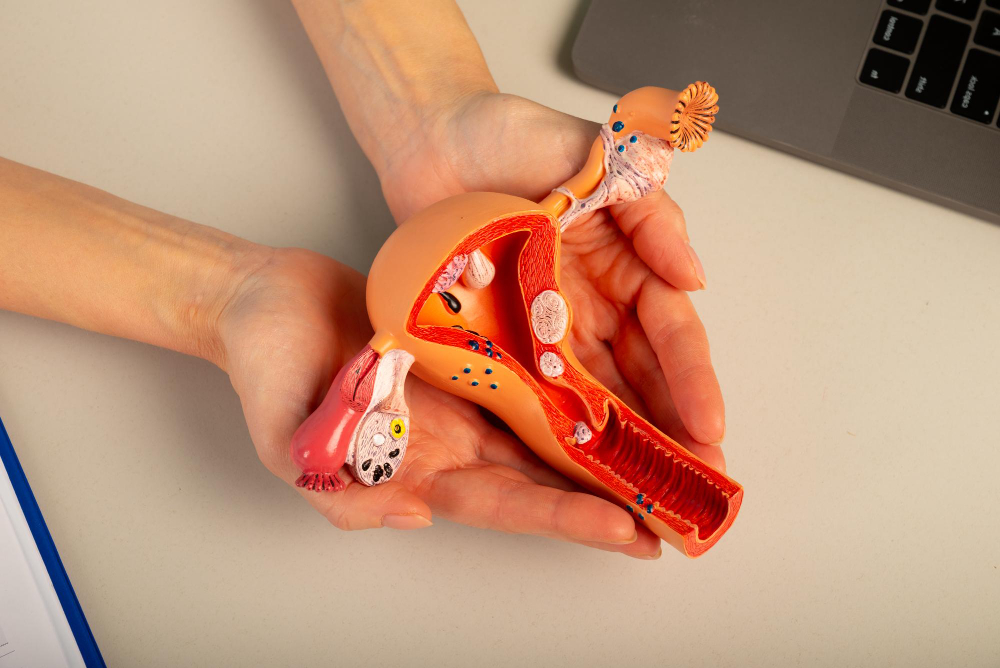
Adenomyosis develops when endometrial tissue grows into the muscle wall of the uterus itself. The uterine wall becomes thickened and tender as this tissue embeds within the muscle layers.
Women can develop both conditions simultaneously, which complicates diagnosis. Imaging techniques help differentiate between them: MRI scans typically provide the clearest picture, while ultrasound can identify characteristic patterns in the uterine wall.
Treatment approaches differ somewhat between the conditions. While both respond to hormonal therapies, endometriosis may require laparoscopic surgery to remove lesions, whereas adenomyosis benefits more from uterine artery embolization or hysterectomy.
Adenomyosis Treatment Cost and Options Across the UK
The cost of adenomyosis treatment varies significantly depending on location, provider, and chosen treatment method. Understanding these financial aspects helps patients plan appropriately.
NHS Treatment
The NHS provides adenomyosis treatment, though waiting lists can be substantial in many areas. Medical management through hormonal therapies typically involves minimal out-of-pocket costs for prescriptions. Surgical procedures are covered, but patients may wait months for consultations with specialists and additional time before surgery scheduling.
Cities like London, Birmingham, Leeds, and Sheffield have specialized gynecology departments, yet demand often exceeds capacity. This reality leads many women to explore private care options for faster access to treatment.
Private Healthcare Costs in the UK
Private treatment offers shorter waiting times and more scheduling flexibility. Adenomyosis treatment cost in London typically ranges higher than in other regions due to increased overhead expenses. However, London’s advanced adenomyosis treatment options often include access to the latest technologies and highly experienced specialists.
Adenomyosis treatment cost in Liverpool, Bristol, and other major cities generally falls below London pricing while still providing high-quality care. Private consultations typically range from initial assessments through to comprehensive treatment plans.
Local adenomyosis treatment costs vary by region and provider. Researching multiple providers helps identify the best value for your specific needs. Many private hospitals offer payment plans to make treatment more accessible.
Adenomyosis Stage 4: When Symptoms Become Severe
Adenomyosis severity isn’t formally staged like cancer, but doctors sometimes refer to “stage 4” or severe adenomyosis when discussing extensive disease affecting the entire uterus.
Severe adenomyosis presents with debilitating symptoms that significantly impact daily life. Women may experience such heavy bleeding that leaving home during menstruation becomes difficult. Pain levels can be incapacitating, requiring strong medication and frequent time off work.
The uterus in severe cases may enlarge considerably—sometimes to the size of a twelve-week pregnancy. This enlargement causes visible abdominal distension and can press on nearby organs, leading to urinary frequency or bowel problems.
Fertility challenges often accompany severe adenomyosis. The altered uterine environment makes embryo implantation more difficult, and miscarriage rates increase. Women hoping to conceive face particularly difficult decisions about treatment timing and methods.
For severe adenomyosis, hysterectomy has traditionally been recommended as the most reliable solution. However, uterine artery embolization now provides an alternative that can substantially reduce symptoms while preserving the uterus. Dr. Samir Abdel Ghaffar has treated numerous patients with severe adenomyosis using this interventional radiology technique, helping them avoid major surgery.
Adenomyosis Cancer Symptoms: Addressing Common Concerns
A frequent question among newly diagnosed patients is whether adenomyosis can turn into cancer. This concern is understandable but largely unfounded.
Adenomyosis is a benign condition. The tissue growing into the uterine muscle wall is not cancerous, nor does it typically transform into cancer. The condition doesn’t increase your risk of developing uterine cancer beyond the baseline risk for women without adenomyosis.
However, adenomyosis and uterine cancer can occasionally coexist. If you experience symptoms like irregular bleeding outside of menstruation, bleeding after menopause, or unexplained weight loss alongside your adenomyosis symptoms, consult your doctor promptly. These could indicate a separate condition requiring investigation.
Regular gynecological check-ups remain important for all women, regardless of adenomyosis diagnosis. Pelvic exams and appropriate imaging help ensure any concerning changes are detected early.
The adenomyosis belly that many women develop is not a tumor or cancerous growth. It results from the thickened, inflamed uterine wall characteristic of the condition. While visually concerning, this enlargement represents the benign nature of adenomyosis.
How I Cured My Adenomyosis: Real Patient Experiences
While adenomyosis cannot be “cured” without removing the uterus, many women find treatments that effectively eliminate their symptoms, allowing them to return to normal life.
Women who’ve undergone hysterectomy often describe it as life-changing, ending years of pain and heavy bleeding. However, this permanent solution isn’t appropriate for everyone, particularly those who hope to have children or prefer to avoid major surgery.
Those treated with uterine artery embolization frequently report dramatic symptom improvement. One patient treated by Dr. Samir Abdel Ghaffar shared that her debilitating periods became manageable within months of the procedure, allowing her to return to work and enjoy activities she’d abandoned due to her condition.
Hormonal treatments work well for some women, particularly those approaching menopause. As natural hormone levels decline, adenomyosis symptoms often improve spontaneously. Managing symptoms medically until menopause provides a viable strategy for women in their forties.
Lifestyle modifications—while not cures—support medical treatments. Regular exercise, anti-inflammatory diets, stress reduction, and adequate sleep help many women better manage their symptoms. Some patients report that combining these approaches with medical treatment provides the best results.
The key to finding what works involves patience and communication with healthcare providers. What helps one woman may not work for another, making personalized treatment plans essential.
What is the Best Treatment for Adenomyosis? Expert Perspectives
No single “best” treatment exists for all adenomyosis patients. The optimal approach depends on individual circumstances, priorities, and symptom severity.
For women who’ve completed their families and experience severe symptoms, hysterectomy offers definitive relief. This surgery eliminates the source of symptoms completely, though it involves significant recovery time and permanent loss of fertility.
Women seeking to preserve their uterus often find uterine artery embolization ideal. This interventional radiology procedure provides substantial symptom relief with minimal downtime. Dr. Samir Abdel Ghaffar’s expertise in this technique offers patients access to a sophisticated alternative to traditional surgery.
Younger women hoping to conceive face more complex decisions. Medical management with hormonal therapies can control symptoms temporarily while they pursue pregnancy. Some may require adenomyomectomy—surgical removal of affected tissue while preserving the uterus—though this carries recurrence risks.
For mild to moderate symptoms, starting with less invasive options makes sense. Hormonal medications, anti-inflammatory drugs, and lifestyle modifications may provide adequate relief without procedures or surgery.
Consulting with specialists experienced in treating adenomyosis helps ensure you understand all available options. Dr. Samir Abdel Ghaffar offers consultations both in the United Kingdom and in Cairo, Egypt, providing expert guidance regardless of where you choose to receive treatment.
Adenomyosis UK: Accessing Diagnosis and Care
The process of getting diagnosed and treated for adenomyosis in the UK typically begins with your GP. If you experience heavy periods, pelvic pain, or other concerning symptoms, schedule an appointment to discuss your concerns.
Your GP will likely perform an initial pelvic examination and may arrange blood tests to check for anemia. If adenomyosis is suspected, referral to a gynecologist follows. This is where NHS waiting lists can become problematic, with wait times varying considerably across different regions.
Imaging plays a crucial role in diagnosis. Transvaginal ultrasound often provides the first detailed look at your uterus, revealing the thickened walls and heterogeneous tissue characteristic of adenomyosis. MRI offers even more detailed imaging and helps distinguish adenomyosis from other conditions like fibroids or endometriosis.
Private healthcare offers faster access to specialists and diagnostic imaging. Many women choose this route to avoid lengthy NHS waiting lists, particularly when symptoms significantly impact their quality of life.
Support groups and patient organizations across the UK provide valuable resources. Connecting with other women experiencing adenomyosis helps you feel less isolated and provides practical advice about navigating the healthcare system.
Frequently Asked Questions About Adenomyosis Treatment
How to treat adenomyosis in the UK?
Treatment in the UK ranges from medical management with hormonal therapies to minimally invasive procedures like uterine artery embolization, and surgical options including hysterectomy. The NHS provides these treatments, though private care offers shorter waiting times. Dr. Samir Abdel Ghaffar specializes in non-surgical uterine artery embolization, providing an effective alternative to traditional surgery for many patients.
What is the most effective treatment for adenomyosis?
Hysterectomy remains the only definitive cure, completely eliminating symptoms by removing the uterus. However, for women wishing to preserve their uterus, uterine artery embolization demonstrates excellent effectiveness with significantly less invasive intervention. The “most effective” treatment depends on your individual circumstances, symptom severity, and future fertility desires. Consulting with specialists helps identify the best option for your situation.
How common is adenomyosis in the UK?
Adenomyosis affects approximately one in ten women, though the actual prevalence may be higher because many cases go undiagnosed. The condition most commonly affects women in their thirties and forties, particularly those who’ve had children. Recent improvements in diagnostic imaging have led to increased recognition of the condition, helping more women receive appropriate treatment.
Is adenomyosis a disability in the UK?
Adenomyosis itself isn’t automatically classified as a disability. However, under the Equality Act 2010, if your adenomyosis symptoms substantially limit your ability to carry out normal day-to-day activities for twelve months or more, it may be considered a disability. This designation could entitle you to workplace accommodations and protection against discrimination. Many women with severe adenomyosis find their symptoms do significantly impact work and daily life, making disability consideration relevant.
Moving Forward: Taking Control of Your Adenomyosis Journey
Adenomyosis diagnosis can feel overwhelming, but understanding your treatment options empowers you to make informed decisions about your health. Whether you pursue medical management, minimally invasive procedures, or surgical treatment, effective relief is achievable.
The range of adenomyosis treatment options available today means you’re not limited to hysterectomy. Uterine artery embolization, performed by interventional radiology specialists like Dr. Samir Abdel Ghaffar, offers a sophisticated middle ground—providing substantial symptom relief while preserving your uterus.
Don’t let long NHS waiting lists delay your treatment. Private healthcare options across the United Kingdom provide faster access to specialists and advanced treatments. Whether you’re in London, Liverpool, Bristol, Birmingham, Leeds, or elsewhere in the UK, expert care is accessible.
Dr. Samir Abdel Ghaffar brings extensive experience in treating adenomyosis and uterine fibroids through non-surgical interventional radiology. His approach focuses on minimally invasive solutions that respect your desire to avoid major surgery while effectively addressing your symptoms.
Contact Dr. Samir Abdel Ghaffar:
London, United Kingdom:
- Clinic: +44 20 8144 2266
- WhatsApp: +44 7377 790644
Cairo, Egypt:
- Booking: +20 1000 881336
- WhatsApp: +20 1000 881336
Your adenomyosis doesn’t have to control your life. With the right treatment and expert guidance, you can reclaim your health and return to the activities you love. Schedule a consultation today to explore how uterine artery embolization might be the solution you’ve been searching for.